SPORTS News
Experience the thrill of the game. From championship showdowns to rising stars, stay updated with the latest scores, expert analysis and behind-the-scenes stories. Whether it’s football, basketball or beyond, we bring you closer to the action.
There are summers when the sporting calendar is a schedule, and summers when it becomes a map of places to be. This is the second kind.
What makes 2026 unusual is not any single event but the sheer density of them. Inside roughly thirteen weeks, the world gets a football World Cup, two tennis Grand Slams, golf's US Open and The Open, the championship rounds of both basketball and hockey, the final leg of horse racing's Triple Crown, the 24 Hours of Le Mans, and both grand tours of cycling. Any one of these would headline a normal summer. In 2026 they arrive stacked on top of one another, across three continents and more than a dozen cities, in an unbroken run from early June to the end of August.
A second thread runs underneath the schedule. Much of this summer is staged against the United States' 250th anniversary, and the sports calendar has organized itself around the moment. The World Cup returns to North America for the first time. The MLB All-Star Game lands in Philadelphia, the birthplace of the country, built around the semiquincentennial. NASCAR debuts its first race on an active military base in San Diego, timed to the Navy's 250th. The result is a summer where the biggest events are not just competitions but civic occasions, designed to bring people out and into the same rooms.
The shape of it is easy to read once you see it. June is the ignition, when the championships and majors begin firing in overlapping bursts. July is the crescendo, when the World Cup final, Wimbledon, the All-Star Game, and The Open all land within days of one another. August is the long tail, when the calendar exhales and the action spreads out toward the fall. Below is the complete rundown, organized by month, so you can see how it all fits together and plan where to show up.
June: the ignition
June 3: NBA Finals, Game 1. The New York Knicks face the San Antonio Spurs, tipping off in San Antonio. A study in contrasts: New York treats a Finals run as a civic event, while San Antonio pours an entire city into a single team.
Early June: Stanley Cup Final. The NHL's championship round runs concurrently with the NBA Finals, with Game 1 expected in the same opening week of June and a possible Game 7 no later than June 21. Two North American championship series at once.
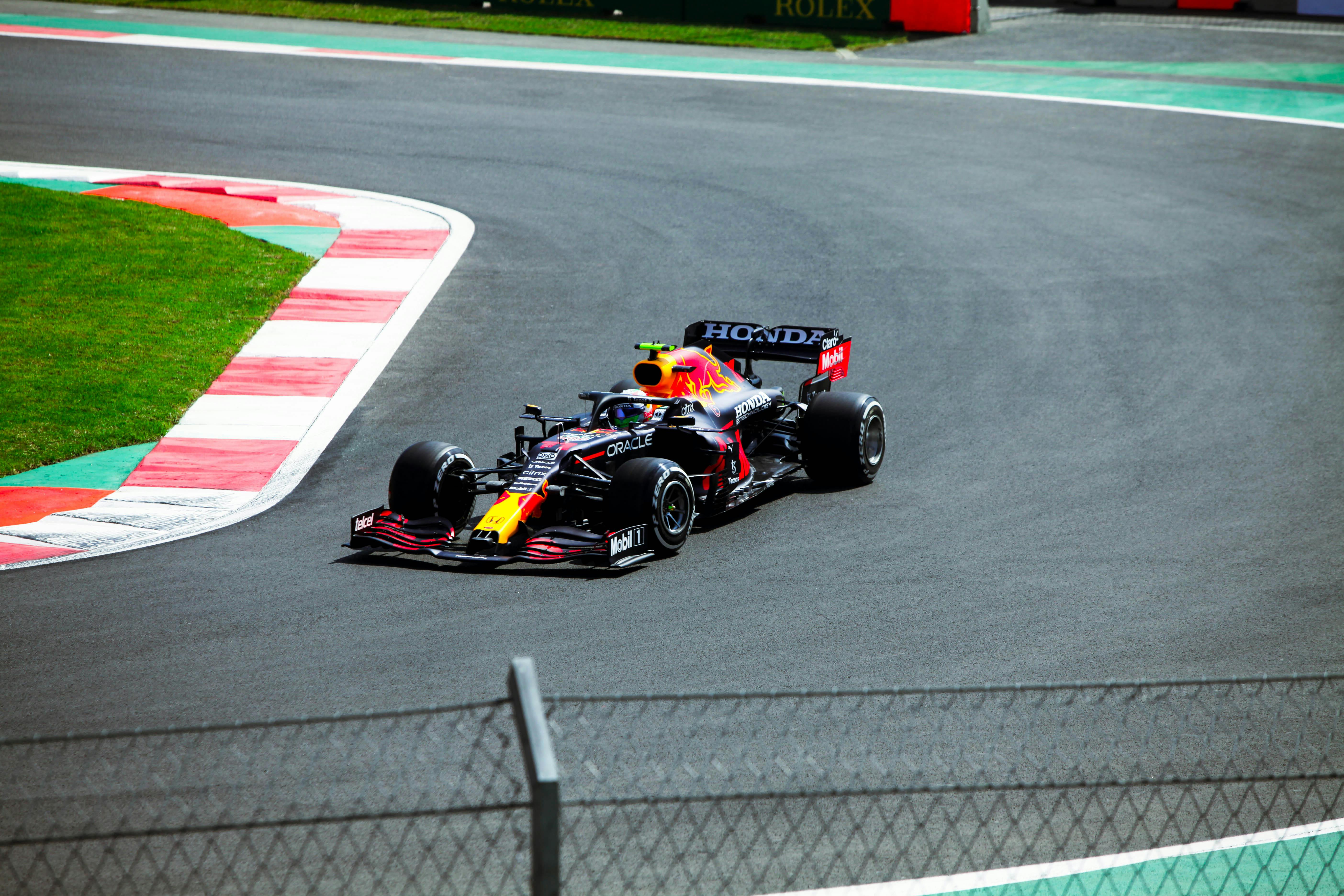
June 5 to 7: Monaco Grand Prix. Formula 1's crown jewel winds through the streets of Monte Carlo, with the race on Sunday, June 7. For the first time, it has moved out of its traditional late-May slot, part of a calendar reshuffle built around logistics and sustainability — which lands it squarely in the June rush. The most glamorous weekend in motorsport, where the harbor, the yachts, and the paddock are as much the event as the circuit itself.
June 6 and 7: French Open finals. Roland Garros crowns its champions in Paris, the women's final on June 6 and the men's on June 7. The most ritualized crowd in tennis closes out the clay season.
June 6: Belmont Stakes. The final leg of the Triple Crown runs at Saratoga Race Course for the third and last year before the race returns to a rebuilt Belmont Park. Run at a shortened mile and a quarter to fit Saratoga's main track, it's a closing chapter for the Saratoga era.
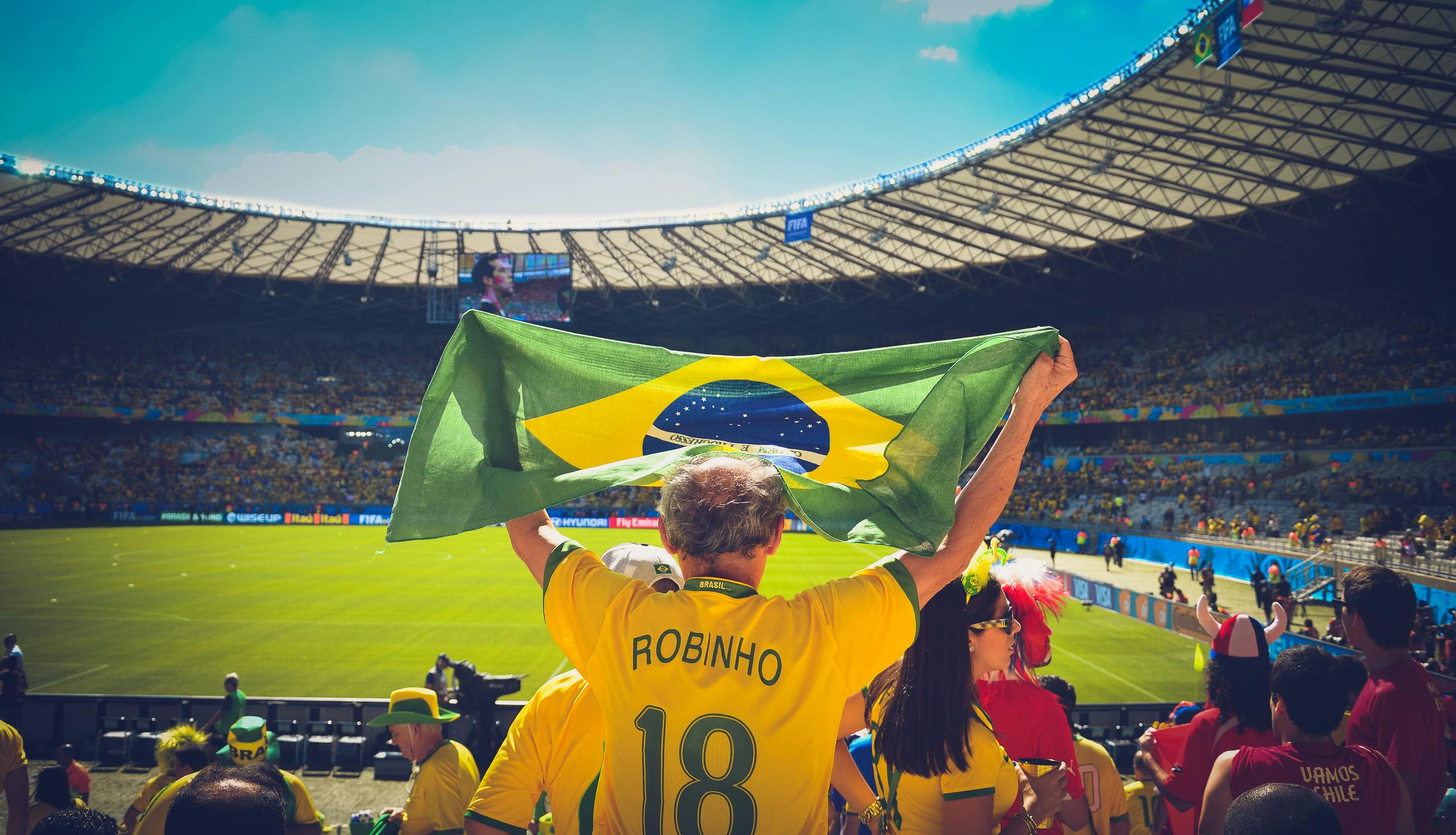
June 11: FIFA World Cup kicks off. The largest sporting event ever staged opens in Mexico City with the host nation facing South Africa at Estadio Azteca (renamed Estadio Ciudad de México for the tournament). Hosted across the United States, Canada, and Mexico for the first time, it runs the entire summer, through July 19, with fan festivals and public watch parties in sixteen host cities.
June 13 and 14: 24 Hours of Le Mans. Endurance racing's crown jewel in Le Mans, France, where the story is as much the round-the-clock spectacle and the crowd that stays awake for it as the result.
June 18 to 21: US Open golf. The year's third men's major at Shinnecock Hills in Southampton, New York. Hamptons-adjacent, with its own social and brand layer surrounding the course.
June 19: Juneteenth. A federal holiday landing in the thick of the month, and a cultural anchor for a summer when cities are activated all season.
June 19 to 21: NASCAR San Diego. A brand-new street race at Naval Base Coronado, the first NASCAR event ever held on an active military base, with the Cup feature on June 21. Timed to the Navy's 250th anniversary, built on a three-mile course with the Pacific and the San Diego skyline as backdrop.
June 23 and 24: NBA Draft. The next generation arrives in Brooklyn, increasingly a fashion-and-culture moment as much as a sports one.
June 29: Wimbledon begins. The grass-court major opens at the All England Club in London and runs two weeks. Tennis's most tradition-bound gathering, bridging June into July.
July: the crescendo
July 3 to 5: British Grand Prix. Formula 1's summer centerpiece at Silverstone, the most heavily attended race on the calendar and a cornerstone of the European motorsport summer.
July 4 to 26: Tour de France. Cycling's grand tour begins in Barcelona with a team time trial and winds across three weeks to a finish in Paris. A free, roadside spectator event on a scale nothing else in sport matches.
July 5: NASCAR Chicagoland. The Cup Series returns to the oval in Joliet for the first time since 2019, taking over the July 4 weekend slot.
July 11 and 12: Wimbledon finals. The women's final on July 11, the men's on July 12, closing out the London fortnight.
July 11 to 14: MLB All-Star Week. Baseball's midsummer classic comes to Philadelphia, with the All-Star Game on July 14 at Citizens Bank Park. Staged around America's 250th anniversary, with a four-day fan festival and the Home Run Derby anchoring the week.
July 16 to 19: The Open Championship. Golf's oldest major at Royal Birkdale in Southport, England. Links golf, sea winds, and natural dune amphitheaters for the galleries.
July 19: FIFA World Cup Final. The tournament closes at MetLife Stadium outside New York, the climax of five and a half weeks that turned host cities into venues all summer.
July 19: NASCAR North Wilkesboro. The historic North Carolina short track hosts its first points-paying Cup race since 1996, a nostalgia event for the sport's heartland.
July 26: Brickyard 400. NASCAR at the Indianapolis Motor Speedway, one of the most storied venues in American racing.
August: the long tail
August 1 to 9: Tour de France Femmes. The women's grand tour begins in Switzerland, a week after the men's race ends, and has become one of the fastest-growing properties in cycling.
Early August: NASCAR Iowa. The Cup Series races at Iowa Speedway as the season heads toward its playoff stretch.
August 13: MLB at Field of Dreams. Baseball returns to Dyersville, Iowa, for the cornfield game, airing live on Netflix — a made-for-the-moment event built entirely around atmosphere and place.
Late August: US Open tennis looms. The summer's final Grand Slam opens in New York at the end of the month, carrying the season into early September and closing the live-sport summer where the World Cup final left off.
How to read the summer
Underneath the variety, every one of these events is doing the same thing. They turn a place into a destination for a stretch of days and gather people who want to be there in person. A Parisian tennis crowd, a NASCAR crowd on a naval base, a Philadelphia All-Star week, a roadside Tour de France village. They share almost nothing stylistically, and they are all proof of the same shift, from watching at a distance to showing up in the room.
The best experiences at the world's biggest events are not hidden. This summer they are scattered across the calendar above, in cities on three continents, each one waiting for the people who decide to walk through the door.
There are summers when the sporting calendar is a schedule, and summers when it becomes a map of places to be. This is the second kind.
What makes 2026 unusual is not any single event but the sheer density of them. Inside roughly thirteen weeks, the world gets a football World Cup, two tennis Grand Slams, golf's US Open and The Open, the championship rounds of both basketball and hockey, the final leg of horse racing's Triple Crown, the 24 Hours of Le Mans, and both grand tours of cycling. Any one of these would headline a normal summer. In 2026 they arrive stacked on top of one another, across three continents and more than a dozen cities, in an unbroken run from early June to the end of August.
A second thread runs underneath the schedule. Much of this summer is staged against the United States' 250th anniversary, and the sports calendar has organized itself around the moment. The World Cup returns to North America for the first time. The MLB All-Star Game lands in Philadelphia, the birthplace of the country, built around the semiquincentennial. NASCAR debuts its first race on an active military base in San Diego, timed to the Navy's 250th. The result is a summer where the biggest events are not just competitions but civic occasions, designed to bring people out and into the same rooms.
The shape of it is easy to read once you see it. June is the ignition, when the championships and majors begin firing in overlapping bursts. July is the crescendo, when the World Cup final, Wimbledon, the All-Star Game, and The Open all land within days of one another. August is the long tail, when the calendar exhales and the action spreads out toward the fall. Below is the complete rundown, organized by month, so you can see how it all fits together and plan where to show up.
June: the ignition
June 3: NBA Finals, Game 1. The New York Knicks face the San Antonio Spurs, tipping off in San Antonio. A study in contrasts: New York treats a Finals run as a civic event, while San Antonio pours an entire city into a single team.
Early June: Stanley Cup Final. The NHL's championship round runs concurrently with the NBA Finals, with Game 1 expected in the same opening week of June and a possible Game 7 no later than June 21. Two North American championship series at once.
June 5 to 7: Monaco Grand Prix. Formula 1's crown jewel winds through the streets of Monte Carlo, with the race on Sunday, June 7. For the first time, it has moved out of its traditional late-May slot, part of a calendar reshuffle built around logistics and sustainability — which lands it squarely in the June rush. The most glamorous weekend in motorsport, where the harbor, the yachts, and the paddock are as much the event as the circuit itself.
June 6 and 7: French Open finals. Roland Garros crowns its champions in Paris, the women's final on June 6 and the men's on June 7. The most ritualized crowd in tennis closes out the clay season.
June 6: Belmont Stakes. The final leg of the Triple Crown runs at Saratoga Race Course for the third and last year before the race returns to a rebuilt Belmont Park. Run at a shortened mile and a quarter to fit Saratoga's main track, it's a closing chapter for the Saratoga era.
June 11: FIFA World Cup kicks off. The largest sporting event ever staged opens in Mexico City with the host nation facing South Africa at Estadio Azteca (renamed Estadio Ciudad de México for the tournament). Hosted across the United States, Canada, and Mexico for the first time, it runs the entire summer, through July 19, with fan festivals and public watch parties in sixteen host cities.
June 13 and 14: 24 Hours of Le Mans. Endurance racing's crown jewel in Le Mans, France, where the story is as much the round-the-clock spectacle and the crowd that stays awake for it as the result.
June 18 to 21: US Open golf. The year's third men's major at Shinnecock Hills in Southampton, New York. Hamptons-adjacent, with its own social and brand layer surrounding the course.
June 19: Juneteenth. A federal holiday landing in the thick of the month, and a cultural anchor for a summer when cities are activated all season.
June 19 to 21: NASCAR San Diego. A brand-new street race at Naval Base Coronado, the first NASCAR event ever held on an active military base, with the Cup feature on June 21. Timed to the Navy's 250th anniversary, built on a three-mile course with the Pacific and the San Diego skyline as backdrop.
June 23 and 24: NBA Draft. The next generation arrives in Brooklyn, increasingly a fashion-and-culture moment as much as a sports one.
June 29: Wimbledon begins. The grass-court major opens at the All England Club in London and runs two weeks. Tennis's most tradition-bound gathering, bridging June into July.
July: the crescendo
July 3 to 5: British Grand Prix. Formula 1's summer centerpiece at Silverstone, the most heavily attended race on the calendar and a cornerstone of the European motorsport summer.
July 4 to 26: Tour de France. Cycling's grand tour begins in Barcelona with a team time trial and winds across three weeks to a finish in Paris. A free, roadside spectator event on a scale nothing else in sport matches.
July 5: NASCAR Chicagoland. The Cup Series returns to the oval in Joliet for the first time since 2019, taking over the July 4 weekend slot.
July 11 and 12: Wimbledon finals. The women's final on July 11, the men's on July 12, closing out the London fortnight.
July 11 to 14: MLB All-Star Week. Baseball's midsummer classic comes to Philadelphia, with the All-Star Game on July 14 at Citizens Bank Park. Staged around America's 250th anniversary, with a four-day fan festival and the Home Run Derby anchoring the week.
July 16 to 19: The Open Championship. Golf's oldest major at Royal Birkdale in Southport, England. Links golf, sea winds, and natural dune amphitheaters for the galleries.
July 19: FIFA World Cup Final. The tournament closes at MetLife Stadium outside New York, the climax of five and a half weeks that turned host cities into venues all summer.
July 19: NASCAR North Wilkesboro. The historic North Carolina short track hosts its first points-paying Cup race since 1996, a nostalgia event for the sport's heartland.
July 26: Brickyard 400. NASCAR at the Indianapolis Motor Speedway, one of the most storied venues in American racing.
August: the long tail
August 1 to 9: Tour de France Femmes. The women's grand tour begins in Switzerland, a week after the men's race ends, and has become one of the fastest-growing properties in cycling.
Early August: NASCAR Iowa. The Cup Series races at Iowa Speedway as the season heads toward its playoff stretch.
August 13: MLB at Field of Dreams. Baseball returns to Dyersville, Iowa, for the cornfield game, airing live on Netflix — a made-for-the-moment event built entirely around atmosphere and place.
Late August: US Open tennis looms. The summer's final Grand Slam opens in New York at the end of the month, carrying the season into early September and closing the live-sport summer where the World Cup final left off.
How to read the summer
Underneath the variety, every one of these events is doing the same thing. They turn a place into a destination for a stretch of days and gather people who want to be there in person. A Parisian tennis crowd, a NASCAR crowd on a naval base, a Philadelphia All-Star week, a roadside Tour de France village. They share almost nothing stylistically, and they are all proof of the same shift, from watching at a distance to showing up in the room.
The best experiences at the world's biggest events are not hidden. This summer they are scattered across the calendar above, in cities on three continents, each one waiting for the people who decide to walk through the door.

5 min read
There are summers when the sporting calendar is a schedule, and summers when it becomes a map of places to be. This is the second kind.
What makes 2026 unusual is not any single event but the sheer density of them. Inside roughly thirteen weeks, the world gets a football World Cup, two tennis Grand Slams, golf's US Open and The Open, the championship rounds of both basketball and hockey, the final leg of horse racing's Triple Crown, the 24 Hours of Le Mans, and both grand tours of cycling. Any one of these would headline a normal summer. In 2026 they arrive stacked on top of one another, across three continents and more than a dozen cities, in an unbroken run from early June to the end of August.
A second thread runs underneath the schedule. Much of this summer is staged against the United States' 250th anniversary, and the sports calendar has organized itself around the moment. The World Cup returns to North America for the first time. The MLB All-Star Game lands in Philadelphia, the birthplace of the country, built around the semiquincentennial. NASCAR debuts its first race on an active military base in San Diego, timed to the Navy's 250th. The result is a summer where the biggest events are not just competitions but civic occasions, designed to bring people out and into the same rooms.
The shape of it is easy to read once you see it. June is the ignition, when the championships and majors begin firing in overlapping bursts. July is the crescendo, when the World Cup final, Wimbledon, the All-Star Game, and The Open all land within days of one another. August is the long tail, when the calendar exhales and the action spreads out toward the fall. Below is the complete rundown, organized by month, so you can see how it all fits together and plan where to show up.
June: the ignition
June 3: NBA Finals, Game 1. The New York Knicks face the San Antonio Spurs, tipping off in San Antonio. A study in contrasts: New York treats a Finals run as a civic event, while San Antonio pours an entire city into a single team.
Early June: Stanley Cup Final. The NHL's championship round runs concurrently with the NBA Finals, with Game 1 expected in the same opening week of June and a possible Game 7 no later than June 21. Two North American championship series at once.
June 5 to 7: Monaco Grand Prix. Formula 1's crown jewel winds through the streets of Monte Carlo, with the race on Sunday, June 7. For the first time, it has moved out of its traditional late-May slot, part of a calendar reshuffle built around logistics and sustainability — which lands it squarely in the June rush. The most glamorous weekend in motorsport, where the harbor, the yachts, and the paddock are as much the event as the circuit itself.
June 6 and 7: French Open finals. Roland Garros crowns its champions in Paris, the women's final on June 6 and the men's on June 7. The most ritualized crowd in tennis closes out the clay season.
June 6: Belmont Stakes. The final leg of the Triple Crown runs at Saratoga Race Course for the third and last year before the race returns to a rebuilt Belmont Park. Run at a shortened mile and a quarter to fit Saratoga's main track, it's a closing chapter for the Saratoga era.
June 11: FIFA World Cup kicks off. The largest sporting event ever staged opens in Mexico City with the host nation facing South Africa at Estadio Azteca (renamed Estadio Ciudad de México for the tournament). Hosted across the United States, Canada, and Mexico for the first time, it runs the entire summer, through July 19, with fan festivals and public watch parties in sixteen host cities.
June 13 and 14: 24 Hours of Le Mans. Endurance racing's crown jewel in Le Mans, France, where the story is as much the round-the-clock spectacle and the crowd that stays awake for it as the result.
June 18 to 21: US Open golf. The year's third men's major at Shinnecock Hills in Southampton, New York. Hamptons-adjacent, with its own social and brand layer surrounding the course.
June 19: Juneteenth. A federal holiday landing in the thick of the month, and a cultural anchor for a summer when cities are activated all season.
June 19 to 21: NASCAR San Diego. A brand-new street race at Naval Base Coronado, the first NASCAR event ever held on an active military base, with the Cup feature on June 21. Timed to the Navy's 250th anniversary, built on a three-mile course with the Pacific and the San Diego skyline as backdrop.
June 23 and 24: NBA Draft. The next generation arrives in Brooklyn, increasingly a fashion-and-culture moment as much as a sports one.
June 29: Wimbledon begins. The grass-court major opens at the All England Club in London and runs two weeks. Tennis's most tradition-bound gathering, bridging June into July.
July: the crescendo
July 3 to 5: British Grand Prix. Formula 1's summer centerpiece at Silverstone, the most heavily attended race on the calendar and a cornerstone of the European motorsport summer.
July 4 to 26: Tour de France. Cycling's grand tour begins in Barcelona with a team time trial and winds across three weeks to a finish in Paris. A free, roadside spectator event on a scale nothing else in sport matches.
July 5: NASCAR Chicagoland. The Cup Series returns to the oval in Joliet for the first time since 2019, taking over the July 4 weekend slot.
July 11 and 12: Wimbledon finals. The women's final on July 11, the men's on July 12, closing out the London fortnight.
July 11 to 14: MLB All-Star Week. Baseball's midsummer classic comes to Philadelphia, with the All-Star Game on July 14 at Citizens Bank Park. Staged around America's 250th anniversary, with a four-day fan festival and the Home Run Derby anchoring the week.
July 16 to 19: The Open Championship. Golf's oldest major at Royal Birkdale in Southport, England. Links golf, sea winds, and natural dune amphitheaters for the galleries.
July 19: FIFA World Cup Final. The tournament closes at MetLife Stadium outside New York, the climax of five and a half weeks that turned host cities into venues all summer.
July 19: NASCAR North Wilkesboro. The historic North Carolina short track hosts its first points-paying Cup race since 1996, a nostalgia event for the sport's heartland.
July 26: Brickyard 400. NASCAR at the Indianapolis Motor Speedway, one of the most storied venues in American racing.
August: the long tail
August 1 to 9: Tour de France Femmes. The women's grand tour begins in Switzerland, a week after the men's race ends, and has become one of the fastest-growing properties in cycling.
Early August: NASCAR Iowa. The Cup Series races at Iowa Speedway as the season heads toward its playoff stretch.
August 13: MLB at Field of Dreams. Baseball returns to Dyersville, Iowa, for the cornfield game, airing live on Netflix — a made-for-the-moment event built entirely around atmosphere and place.
Late August: US Open tennis looms. The summer's final Grand Slam opens in New York at the end of the month, carrying the season into early September and closing the live-sport summer where the World Cup final left off.
How to read the summer
Underneath the variety, every one of these events is doing the same thing. They turn a place into a destination for a stretch of days and gather people who want to be there in person. A Parisian tennis crowd, a NASCAR crowd on a naval base, a Philadelphia All-Star week, a roadside Tour de France village. They share almost nothing stylistically, and they are all proof of the same shift, from watching at a distance to showing up in the room.
The best experiences at the world's biggest events are not hidden. This summer they are scattered across the calendar above, in cities on three continents, each one waiting for the people who decide to walk through the door.
7 min read
5 min read
Feb 27, 2025
5 min read
Feb 27, 2025
5 min read
Feb 27, 2025
5 min read
Feb 27, 2025
5 min read
Feb 27, 2025
5 min read

