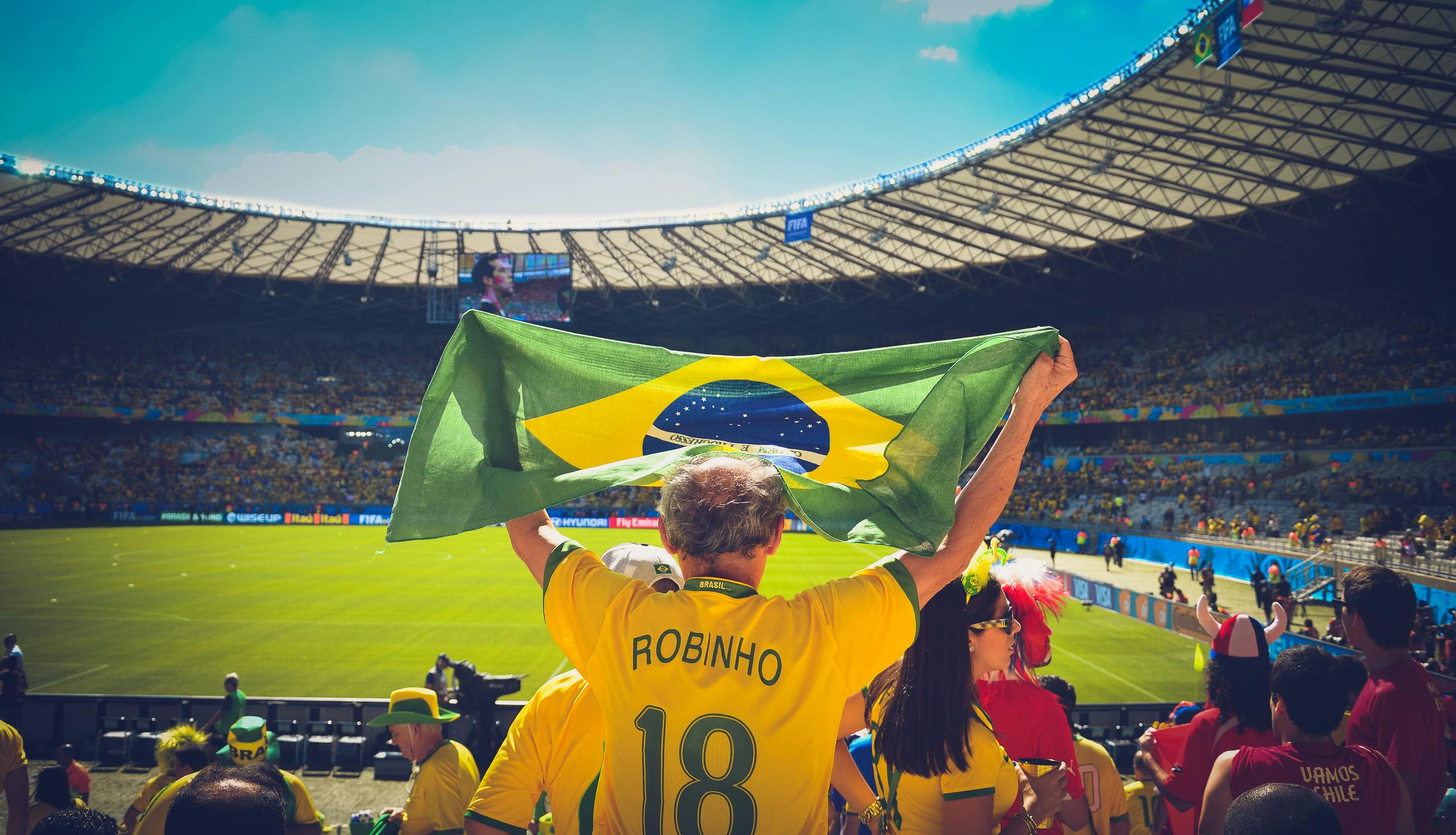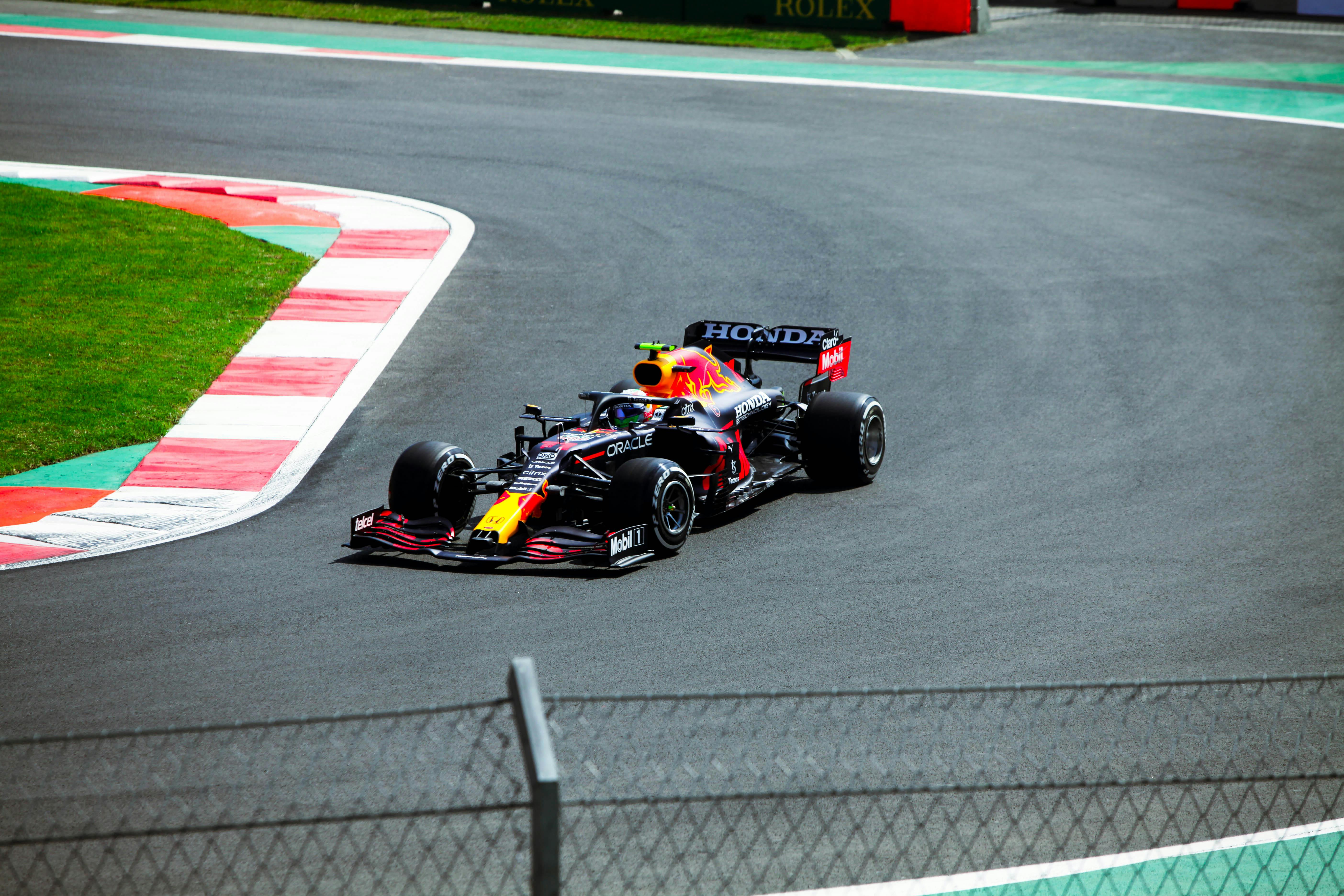
The 2026 Formula 1 Crypto.com Miami Grand Prix ran May 1 through 3 at the Miami International Autodrome, the 5.41-kilometer circuit built around Hard Rock Stadium. Andrea Kimi Antonelli, the 19-year-old Italian driver for Mercedes, took pole position on Saturday and converted it into victory on Sunday, holding off McLaren's Lando Norris for his third consecutive win of the 2026 season. The race delivered its usual Sunday weather drama, with severe storm forecasts pushing the start time three hours earlier than scheduled and the sky turning gunmetal before the lights went out. The grandstands stayed full anyway. Five seasons in, that is the pattern the Miami Grand Prix has established. The race weekend is a fixture the city plans around.
How Miami earned its place
When Formula 1 arrived at Hard Rock Stadium in May 2022, the race carved out a purpose-built circuit on what had been a parking footprint. The construction had no real precedent in modern American motorsport. Roughly four miles of new track laid in the middle of an active NFL stadium campus, in a market with limited prior racing heritage, aimed at an audience that for most of F1's history had not existed in significant numbers in the United States. Liberty Media had taken over the sport in 2017 with a plan to grow the U.S. audience. Miami was that plan made physical.
The bet has paid off. According to South Florida Motorsports, the 2025 race drew 275,480 fans over the weekend, exactly matching the 2024 figure and equalling the event's highest attendance. The race holds its audience. In May 2025, Formula 1 and South Florida Motorsports signed a 10-year extension that runs the Grand Prix through 2041, the longest-contracted race on the global F1 calendar. Miami is no longer a debut race. It is a multi-decade fixture inside the most-watched annual sporting series on the planet.
The campus and the weekend
What South Florida Motorsports has built around the autodrome operates more like a temporary city than a sports venue. The 19-corner circuit pushes top speeds past 320 kilometers per hour down its three long straights. The Marina along the autodrome's edge, an artificial harbor staged with hospitality yachts for the weekend, fills with brand activations from the moment the gates open. The Beach Club at Turn 6 programs DJs and chefs across all three days. The Paddock Club, the highest-tier hospitality offering at any F1 race, sells out within hours each year. More than 100 dining options operate across the campus, with the Community Restaurant Program featuring local, predominantly women-owned vendors at the largest-attended sporting event on the South Florida calendar. Mr. Mandolin from the Miami Design District, La Santa Taqueria from Wynwood, and Pinch Kitchen from MiMo all rotate through the campus across race weekend.
A new audience
Much of what F1 has accomplished in America can be traced back to Drive to Survive. The Netflix series launched in 2019 and gave a generation of viewers a way into the sport. Where European F1 coverage had been technical and team-loyal, the Netflix series was personality-driven. Lando Norris, Charles Leclerc, George Russell, and Pierre Gasly became the kind of figures whose every social post is news. Lewis Hamilton's 2024 move from Mercedes to Ferrari made the front pages of fashion, sports, and general culture publications simultaneously.
According to Formula 1's 2025 Global Fan Survey, women now account for roughly 41 percent of the sport's global audience, up from 37 percent in 2018, and represent three out of every four new fans entering the sport. The fastest-growing demographic for F1 globally is women aged 16 to 24. The Miami audience reflects that shift. The fan walking into the paddock is looking for the same thing she would look for at Coachella. A scene she wants to be inside of. The brands that have read this shift correctly are the ones whose race-week activations have grown each year.
The brands at the race
The 2026 weekend reflected the audience F1 has earned. MSC Cruises debuted a permanent Yacht Club inside the autodrome, a multi-deck hospitality structure with a Chef's Table by Bagatelle and a 360-degree Captain's Deck. Apple TV expanded its multi-feed broadcast offerings, integrating Apple Maps and Apple Sports for U.S. viewers. American Express ran its long-standing Centurion Lounge program, featuring chef collaborations and live music for cardmembers. Crypto.com remains the title sponsor. TAG Heuer ran its hospitality program with watch reveals timed to qualifying and race sessions.
What it means for Miami
The economic spillover into the broader Miami economy is significant. Hotel occupancy across Miami Beach, Brickell, downtown, the Design District, and Aventura runs near capacity across race weekend. Restaurants from Carbone to Cote to Komodo to ZZ's Club to MILA book three to four weeks in advance for Friday and Saturday. The yacht charter market in Biscayne Bay operates at near-full utilization. Private aviation operators report concentrated volume at Miami-Opa Locka Executive, Fort Lauderdale Executive, and Miami International. The race is no longer just a Sunday afternoon. It is a full Miami business cycle that runs from Wednesday through Monday morning and feeds nearly every premium hospitality category in the city.
Hard Rock Stadium will host seven matches at the 2026 FIFA World Cup. The Miami Open, the Miami Dolphins, and Miami Swim Week already operate in or near the same campus. With the F1 schedule locked through 2041, the autodrome has become a permanent fixture on the global sports calendar, with built-in audience and sponsor relationships that span multiple sports and cultural fixtures. For brands building inside that audience, the implication is direct. Showing up here once is a campaign. Showing up every May is a strategy. The first weekend of May in Miami will be Formula 1, and the world will keep coming.