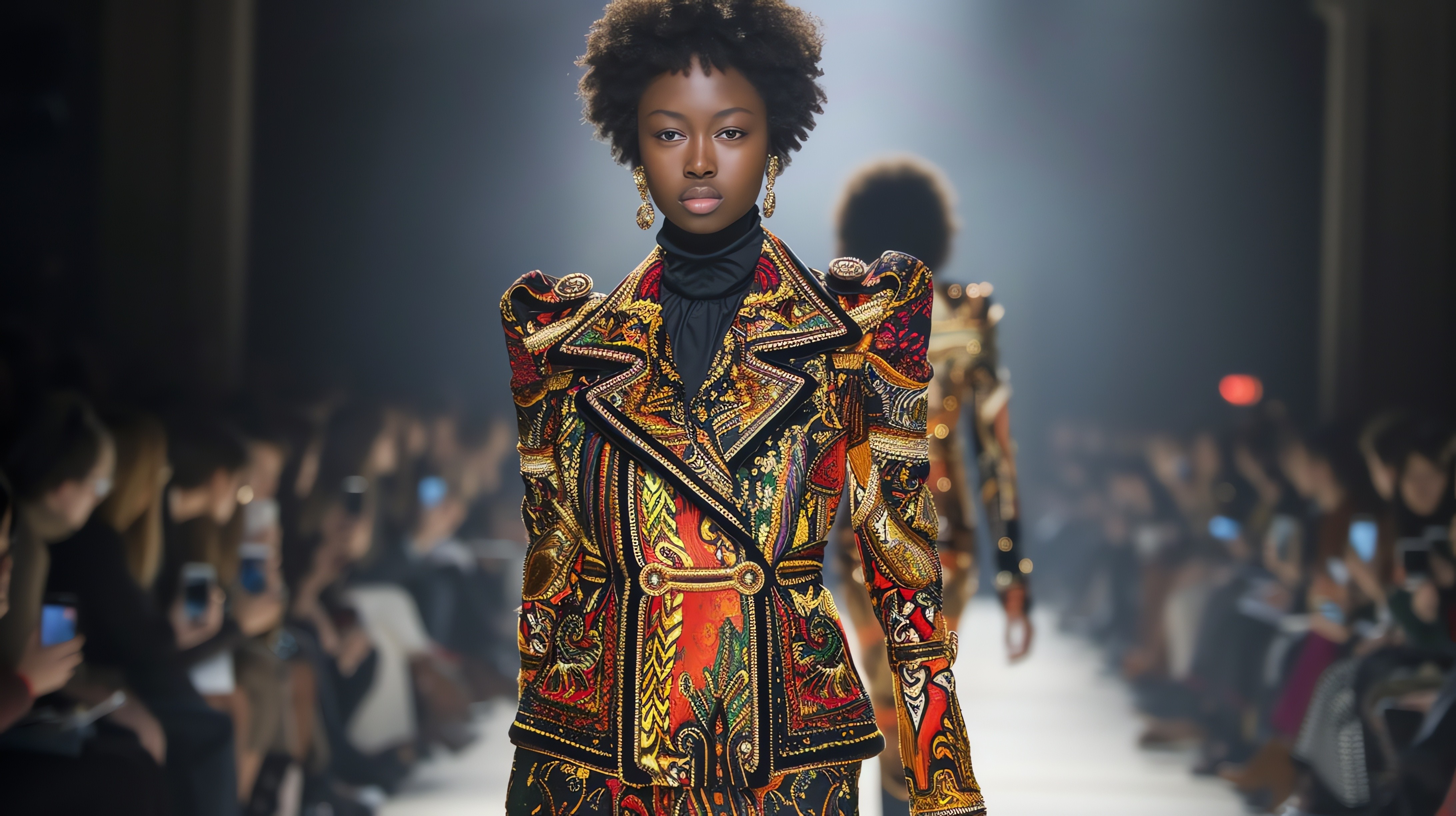
The Paraiso tent stretches across Collins Park, steps from the Atlantic. From May 28 through May 31, 2026, the tent will host the runway shows that anchor Miami Swim Week. Around it, more than 50 additional events will run across the South Beach hotels, restaurants, beach clubs, and rooftops that form the week's operational footprint. According to Paraiso, more than 100 global designers and buyers from over 60 countries participate annually, making Miami Swim Week the largest swimwear-dedicated trade event globally.
The week as the industry knows it
Now in its 22nd edition, Paraiso Miami Swim Week is the official licensed swim week of Miami, recognized and supported by the City of Miami Beach. The 2026 edition opens May 27 with the second annual Swimwear Icons Hall of Fame Honors Night at 1111 Lincoln Road, co-chaired by Natasha Oakley and Devin Brugman, the founders of Monday Swimwear. Confirmed designers for 2026 include Monday, Fae, Oséree, Melissa Odabash, Shan, Kulani Kinis, LainSnow, Oceanus, Luli Fama, Oh Polly, and Spotlight Collective. The newly reimagined Delano Miami Beach returns as the hub for exclusive programming, including the Ellen von Unwerth photography exhibit, the Von Faith swim capsule presentation, and a Sinesia Karol industry dinner. Making its debut this season is Rise, a production concept for emerging brands at the Kimpton Surfcomber Hotel, where a runway will be constructed directly over the hotel pool.
Why the category matters
Swimwear is among the more commercially efficient categories in fashion. The garments are small. The seasonal cycles are tight. The category sits between resort wear, athleisure, and traditional fashion, pulling customers from each. The audience skews younger and more digitally native than nearly any other fashion vertical. The brands that have scaled in swim, from Luli Fama to Monday Swimwear to Beach Riot to Frankies Bikinis, have done so by treating Instagram and TikTok as primary distribution.
Buyers from major retailers, including department stores, boutique chains, and resort hotel groups, attend the runway shows and off-site presentations. Press coverage moves the same week through Vogue, Elle, Harper's Bazaar, and WWD. Social content from the shows appears across creator accounts within hours, often during the shows themselves. The compressed annual moment drives a meaningful share of the year's wholesale orders, brand visibility, and consumer demand for the upcoming spring, resort, and cruise seasons.
The Miami week itself
Hotels along Collins Avenue and Ocean Drive run at near full occupancy. Restaurants from MILA to Cote to Casa Tua handle nightly waiting lists. Beach clubs from Nikki Beach to Tala Beach at the 1 Hotel host afternoon programming for designers and their guests. The party calendar extends from Wednesday night through Sunday brunch, with the Ritz-Carlton South Beach, the Shelborne by Proper, and the Plymouth Hotel acting as gathering points. For Miami's hospitality economy, late May is among the most reliable peak windows of the year, sitting between F1 Miami in early May and the start of the summer travel season.
The creator economy intersection
Few fashion verticals have been as native to the creator economy as swim. The platform shift toward visual social media starting in the early 2010s coincided almost exactly with the rise of the modern swim category. Brands like Frankies Bikinis, Beach Bunny, Triangl, and Monday Swimwear scaled their early growth through Instagram before traditional wholesale relationships supported the demand. The audiences for swim brands skew young, female, and digitally native. The product photography that defines the category, from beach editorials to pool shoots to runway clips, is built for visual social platforms.
Miami Swim Week amplifies this. The runway shows, activations, after-parties, and off-site events generate days of creator content across Instagram, TikTok, and YouTube during and after the week. The brands that participate gain not only access to wholesale buyers and press coverage but also the multi-million-impression organic content the creators in attendance produce as part of being there. For brands evaluating the cost of participation against the return, the creator-generated content alone often justifies the activation budget.
The international expansion
In October 2026, Paraiso will launch its first international edition with Paraiso Dubai running from October 8 through 11. The expansion is structured as a commercial bridge between Miami and the Middle East, two markets with parallel resort and luxury swim economies. The Dubai edition will include runway shows, brand activations, and pop-ups, with an additional collaboration with the Middle Eastern resortwear and swimwear trade show, Sand. The Middle East is among the fastest-growing luxury markets globally, with Altagamma projecting the region's personal luxury market to grow from $15 billion in 2023 to between $30 billion and $35 billion by 2030.
For Miami, the expansion strengthens rather than weakens the home edition. A Dubai event in October keeps Paraiso in conversation year-round, which makes the May tent in Collins Park a more valuable platform when designers and buyers arrive. Swim Week sits at the front of Miami's most active half of the calendar, alongside F1 Miami, the Miami Open, Miami Music Week, the FIFA World Cup matches in June and July, and the buildup to Art Basel in December. Each event reinforces the others.
What Paraiso has actually built over twenty-two years is a category that did not exist when it started. Swimwear, in 2003, was a wholesale line item between activewear and resort. Today, it is a creator-economy native category with its own designers, its own buyers, its own seasonal calendar, and its own city. The four days in late May are the proof. The brands that show up in Collins Park year
after year are the ones the audience finds first when summer arrives. The brands that wait until July are arriving in a market that has already made its decision.